
Because your body’s chemistry deserves more than a one-size-fits-all meal plan.
You’ve probably heard it before: “Just eat healthy and exercise.”
But what if you are eating healthy—and still feel exhausted, bloated, moody, or stuck no matter what you do?
Here’s the truth: it’s not just about calories or willpower. It’s about hormones—those tiny messengers that tell your body how to use energy, burn fat, handle stress, and even how happy you feel.
When your hormones are balanced, life feels smoother. When they’re not, every system can feel a little “off.” The good news? You can use food as one of your most powerful tools to bring them back into balance.
Let’s take a look at six major hormones—insulin, thyroid hormones, cortisol, estrogen, progesterone, and testosterone—and how you can support each one through personalized nutrition.
Insulin — The Blood Sugar Boss
When insulin is working well, you have steady energy and balanced hunger.
When it’s high, you might feel tired after meals, crave sweets, or notice weight settling around your midsection.
If insulin is high:
Think blood sugar balance.
-
- Add: lean proteins (chicken, turkey, fish), fiber-rich veggies, healthy fats (avocado, olives, nuts, seeds), and a splash of vinegar before meals.
- Limit: refined carbs (bread, pasta, crackers), sugary drinks (soda, lemonade, energy drinks, juice), and snacking just to “take the edge off.”
If insulin is low:
You might feel shaky or lightheaded between meals.
-
- Add: complex carbs like sweet potatoes, beans, or quinoa with your meals.
- Eat regularly—skipping meals will make things worse.
Small tip: build meals that include protein, fiber, and fat together. It’s the magic trio for happy insulin.
Thyroid — The Metabolic Thermostat
 Your thyroid controls how fast your body burns energy.
If it’s underactive, you may feel sluggish, cold, or gain weight easily. If it’s overactive, you might feel anxious or have a racing heart.
If thyroid is low:
-
- Add: selenium (Brazil nuts, mushrooms), zinc (pumpkin seeds, meat, shellfish), iodine (sea veggies), and enough calories to keep your metabolism happy.
- Limit: raw cruciferous veggies like broccoli, cauliflower, cabbage, kale, and Brussels sprouts; or excess soy if you’re low in iodine.
If thyroid is high:
-
- Add: calming foods rich in magnesium (avocado, nuts, dark chocolate, leafy greens) and antioxidants (berries, colorful veggies).
- Limit: caffeine and sugar—they stoke the fire.
Nourish, don’t punish. Your thyroid needs consistency, not deprivation.
Cortisol — The Stress Regulator
Cortisol helps you wake up, handle stress, and keep blood sugar stable.
But modern life keeps it on high alert—hello, wired-but-tired, poor sleep, and belly fat.
If cortisol is high:
-
- Add: protein at each meal, magnesium (avocado, nuts, chocolate, leafy greens), omega-3 fats (salmon, tuna, sardines, walnuts, chia seeds), and herbal teas.
- Limit: caffeine, sugar, and over exercising.
If cortisol is low:
-
- Add: small, balanced meals, sea salt, B vitamins, and rest.
- Limit: fasting or overtraining.
If you’re living on caffeine and chaos, cortisol is likely calling for a reset.
Estrogen — The Feminine Fire
Estrogen gives women energy, confidence, and glow—but too much or too little can throw things off.
If estrogen is high (a.k.a. “estrogen dominance”):
-
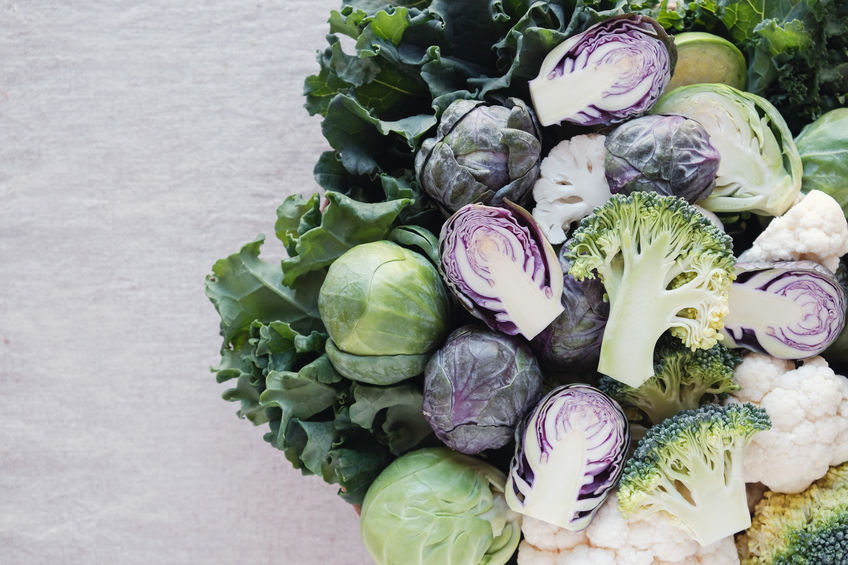 Add: cruciferous veggies (broccoli, cauliflower, cabbage, kale, and Brussels sprouts), fiber (beans, legumes, flaxseed, chia), lemon water, and plenty of hydration.
- Limit: alcohol, processed meats (such as deli meat, bacon, sausage), and exposure to plastics (they act like fake estrogens).
If estrogen is low:
-
- Add: phytoestrogens (flaxseed, lentils, chickpeas), healthy fats (avocado, olives, nuts, seeds), and omega-3s (salmon, tuna, sardines, walnuts, chia seeds).
- Limit: super low-fat diets and excess alcohol.
Estrogen needs balance, not elimination. It’s about giving your liver and gut the support to process it properly.
Progesterone — The Calming Counterbalance
Progesterone keeps you grounded, supports sleep, and counterbalances estrogen. When it’s low, you might feel anxious, irritable, or have irregular cycles.
If progesterone is low:
-
- Add: vitamin B6 (turkey, bananas), zinc (pumpkin seeds, meat, shellfish), magnesium (avocado, nuts, chocolate, leafy greens), and healthy fats (avocado, olives, nuts, seeds).
- Limit: caffeine and alcohol—they both lower progesterone.
- Manage stress—chronic cortisol steals progesterone to make more stress hormones.
Sleep and calm are your progesterone’s best friends.
Testosterone — The Motivation Molecule
Both men and women need testosterone for strength, energy, and drive.
Low levels can mean fatigue, low motivation, or loss of muscle tone.
High levels (especially in women) can cause acne or irregular cycles.
If testosterone is low:
-
- Add: quality protein, zinc (pumpkin seeds, meat, shellfish), vitamin D (sunlight), and resistance training.
- Limit: alcohol and sugar.
If testosterone is high:
-
- Add: anti-inflammatory fats (olive oil, fatty fish), fiber-rich veggies, and cinnamon or chromium for blood sugar balance.
- Limit: refined carbs, dairy (for acne-prone women), and processed foods.
Your testosterone loves strength training and balanced meals—not restriction.
Putting It All Together
Your hormones don’t work in isolation—they’re in constant conversation.
When insulin spikes, cortisol follows. When thyroid slows, metabolism dips. When estrogen shifts, mood and cravings change.
This is why cookie-cutter meal plans fall short. Your body is unique, and your nutrition should be too.
Here’s your Unconventional takeaway:
Start by listening to your body. Get your hormones tested. Then use food—not restriction—to bring things back into balance.
Because when your hormones feel balanced, you feel like yourself again.
Ready to dig deeper?
Work with one of our dietitians to uncover your hormone patterns and build a plan that actually works with your biology—not against it.
[Book your Strategy Session]
