
You planned the flights, booked the room, and made the itinerary. What you didn’t plan for is spending day three of your trip being uncomfortable and wondering why nothing is moving.
Traveler’s constipation is incredibly common, and it isn’t just bad luck. Your gut runs on rhythm. It likes the same wake time, similar meals, the same bathroom, and the same daily movement pattern. Vacations and traveling interfere with nearly all of that at once.
Add in dehydration from flights, less fiber than usual, more alcohol, and hours of sitting in a car or plane seat, and you’ve got a recipe that slows gut movement.
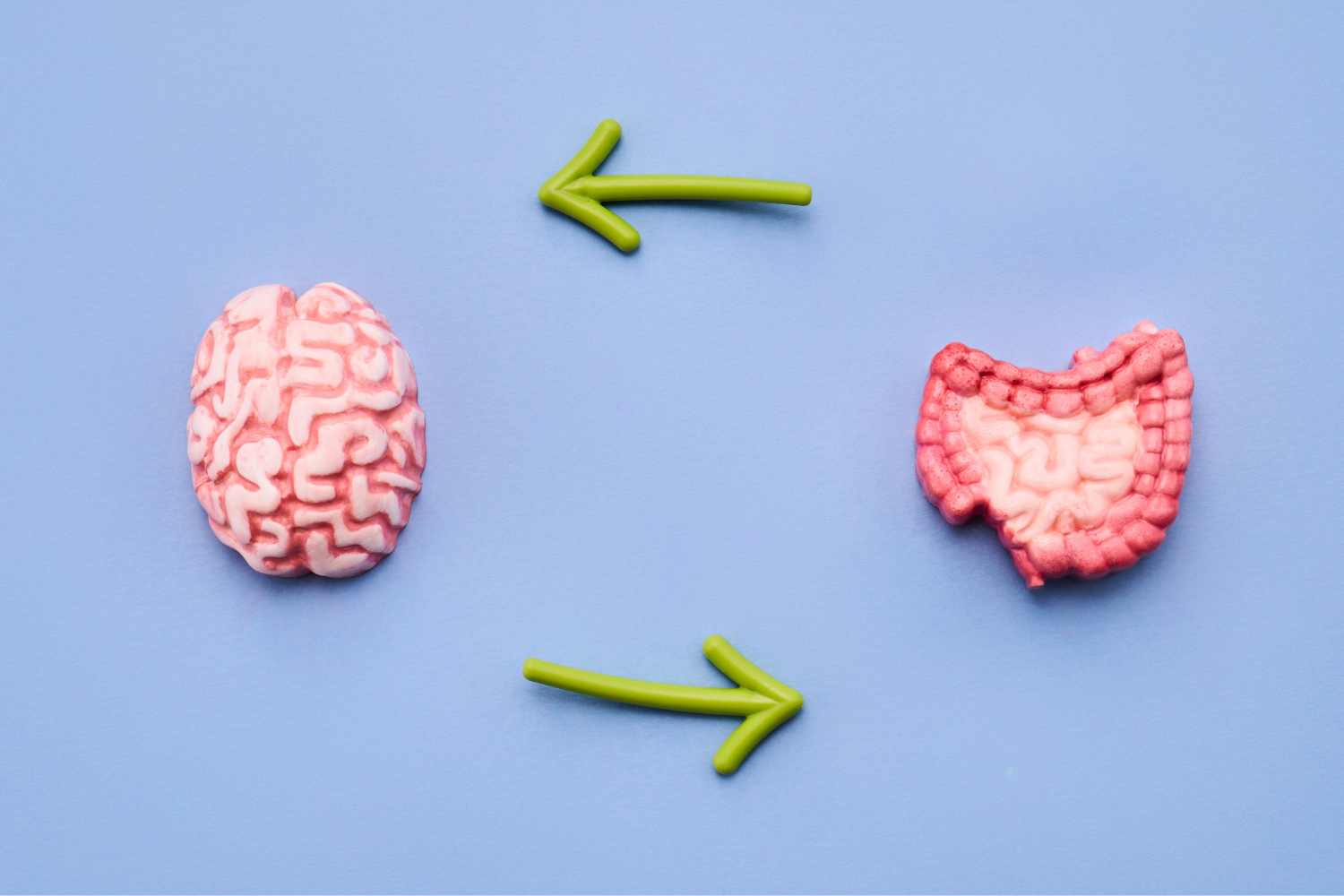
The Gut-Brain Connection Nobody Talks About
Here’s the part most people miss: your gut and your brain are in constant conversation, and that conversation changes the moment you’re away from home.
Your gut has its own nervous system, referred to as the second brain, and it’s highly sensitive to stress, newness, and safety cues. A new bathroom, a shared hotel wall, or the low hum of “am I going to make my flight” anxiety can all signal to your nervous system that now isn’t the time to relax. And digestion needs relaxation to work well.
This is why so many people can eat the exact same foods at home without issue, then travel somewhere and feel completely backed up. It’s rarely just the food. It’s your nervous system telling your gut to hold off until things feel safe again.
Understanding this matters because it changes how you fix it. You’re not just managing fiber and water. You’re helping your body feel safe enough to do its job.
What Actually Helps On the Road
A few consistent habits during travel will do most of the work to keep things moving:
- Protect your rhythm where you can. Try to eat around the same times each day, even if the food itself is different. Your gut cares as much about timing as it does the menu.
- Front-load fiber and fluids. Fruit, vegetables, and whole grains at breakfast set the tone for the day. Pair that with steady water intake, not just coffee and cocktails.
- Move your body daily, even briefly. Walking stimulates the intestines directly. A 20-minute walk after a meal can support gut motility.
- Give yourself bathroom permission. This sounds small, but it matters. Many people unconsciously “hold it” in unfamiliar bathrooms. Build in unrushed time, especially in the morning, so your body isn’t fighting a countdown clock.
- Watch the alcohol and caffeine swings. Both can dehydrate you and disrupt your normal gut signals, especially when intake is different from your usual pattern.
- Consider magnesium citrate or a gentle fiber supplement if things haven’t moved in two to three days.
None of this requires perfection. The goal is giving your gut enough familiar signals that it feels safe to keep working, even in an unfamiliar place.
FAQ
How long is too long to go without a bowel movement while traveling?
Depending on your usual bathroom cadence, three days without a bowel movement is generally a reasonable point to start intervening. You can do this with fiber, fluids, movement, and possibly a stool softener. Beyond that, or if you’re in pain or bloated significantly, check in with a healthcare provider.
Can anxiety alone cause traveler’s constipation?
Yes. Stress and unfamiliar environments activate the nervous system in ways that can slow digestion, independent of what you’re eating. This is a real physiological response, not something you’re imagining.
Is it normal for bowel habits to change even without constipation, like looser stools while traveling?
Yes. New foods, water sources, and disrupted routine can shift stool consistency in either direction. As long as symptoms resolve once you’re back to your normal routine, this is typically not a concern.
Ready to Get Ahead of Your Gut Before Your Next Trip?
If travel consistently wrecks your digestion, that’s a pattern worth solving, not just tolerating. Schedule an appointment with us and let’s build a gut plan that actually holds up outside of your kitchen.
