
Let’s be honest—everybody farts, and everybody poops.
Yet these two everyday bodily functions are often treated like taboo topics, whispered about in embarrassment or laughed off as bathroom humor.
But your gas and your poop are actually some of the best clues your body gives you about your health. The sounds, smells, frequency, color, and even shape can reveal important information about your digestion, gut bacteria, diet, hormones, stress levels, and overall wellness.
How Much Gas Is Normal?
The average person farts 10–20 times per day and produces up to two liters of gas daily.
Believe it or not, not all gas is bad. Fermentation by beneficial gut bacteria produces gas along with health-promoting compounds called short-chain fatty acids (SCFAs), which:
-
-
- Nourish colon cells
- Reduce inflammation
- Support the gut barrier
- May improve insulin sensitivity
-
Where Does All That Gas Come From?
There are three main sources of intestinal gas, and most of it is completely normal.
1. Swallowed Air
Every time you eat, drink, or talk, you swallow a small amount of air. Swallowing excessive amounts can lead to a buildup of gas in your digestive system.
Some of the gas is burped out, and some travels through the digestive tract and eventually exits as flatulence.
Common reasons for swallowing more air include:
-
-
- Eating too quickly
- Drinking carbonated beverages
- Chewing gum
- Using straws
- Smoking
-
2. Gut Bacteria Fermenting Food
This is the biggest source of gas—and actually a sign that your gut microbes are active.
When fibers and resistant starches reach the colon, bacteria ferment them and produce gas.
Foods that commonly increase fermentation include:
-
-
- Beans and lentils
- Onions and garlic
- Apples and pears
- Oats
- Asparagus
- Artichokes
- Green bananas
- Cooked and cooled potatoes or rice
-
The good news? This fermentation also produces beneficial SCFAs such as butyrate, which nourish the colon, reduce inflammation, and support the gut barrier.
3. Sulfur Compounds Create the Smell
Most intestinal gas is actually odorless.
Then there are the smelly farts. Why do they smell? Is it unhealthy?
Not necessarily. Smelly gas often means your gut bacteria are actively fermenting sulfur-containing foods.
Foods that can contribute include:
-
-
- Eggs
- Garlic
- Onions
- Broccoli
- Brussels sprouts
-
What Causes Excessive Gas?
If you are experiencing excessive gas, some common reasons include:
-
-
- Suddenly eating a very high-fiber diet
- Food intolerances, such as lactose intolerance
- Poor digestion of carbohydrates
- Imbalances in the gut microbiome
- Small intestinal bacterial overgrowth (SIBO)
- Irritable bowel syndrome (IBS)
- Inflammatory bowel disease (IBD)
- Constipation, which allows more time for fermentation
-
What Your Poop Says About Your Health
Talking about poop may not be glamorous, but it can reveal a lot about what’s happening inside!
Your stool is one of the easiest daily “health reports” your body gives you. Its shape, consistency, and color can provide valuable information about digestion, metabolism, and gut health.
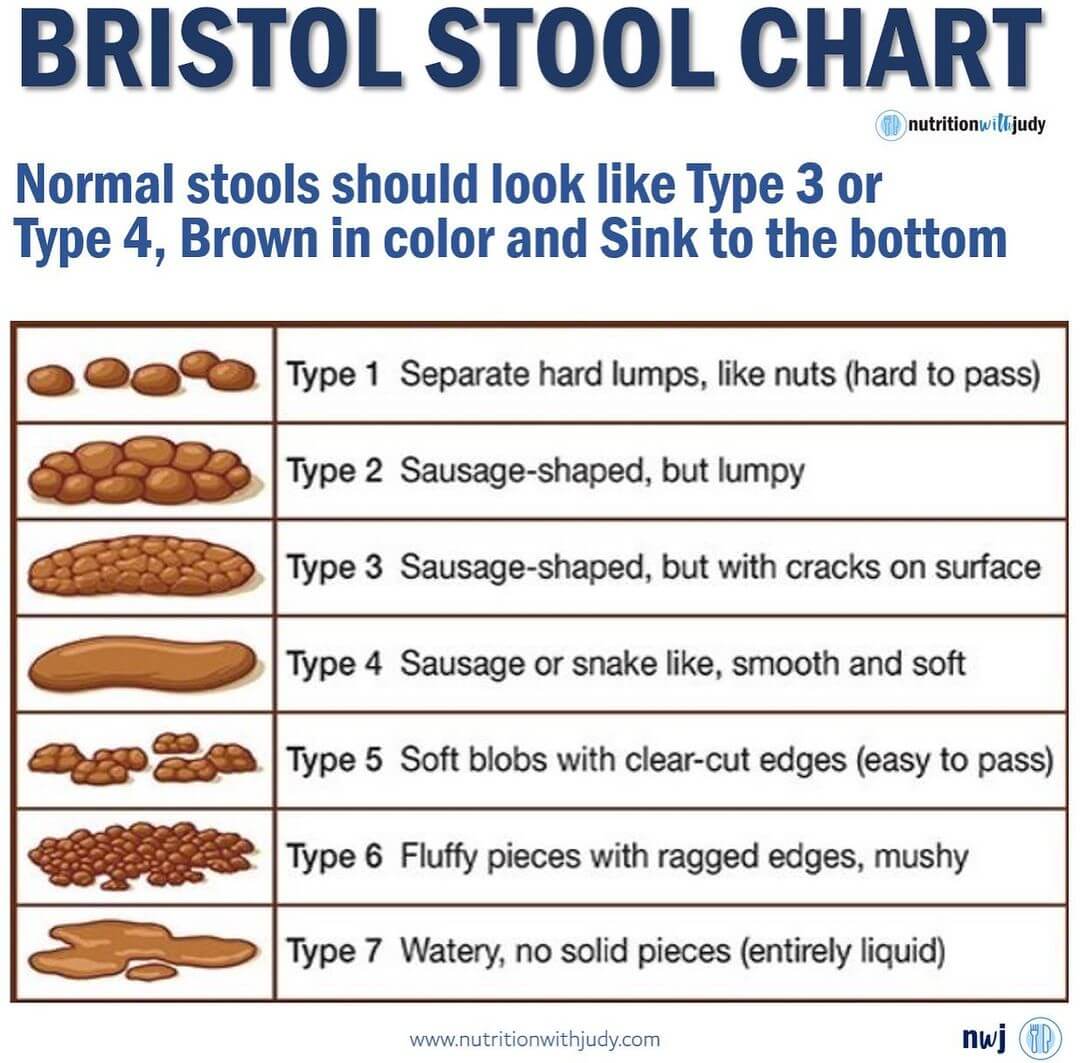
💩 Type 1 & Type 2: Hard Pellets or Lumpy Sausage
Possible causes:
-
-
- Constipation
- Not drinking enough water
- Low fiber intake
- Lack of exercise
- Low magnesium
- Hypothyroidism
- Slow motility
-
💩 Type 3: Sausage With Cracks
This often reflects:
-
-
- Healthy transit time
- Adequate water intake
- Balanced gut microbiome
-
This is generally considered a normal stool.
💩 Type 4: Smooth and Easy to Pass
This is considered the gold standard of bowel movements.
It often reflects:
-
-
- Ideal hydration
- Healthy digestion
- Balanced fiber intake
- Good bile flow
- A healthy microbiome
-
💩 Type 5 & Type 6: Soft Blobs or Mushy Stool
Common causes include:
-
-
- Stress or anxiety
- Food intolerances
- Viral illness
- Too much caffeine
- High doses of magnesium
- Irritable bowel syndrome
- Excess bile acids
- Small intestinal bacterial overgrowth (SIBO)
- Food sensitivities
-
💩 Type 7: Watery Diarrhea
Possible causes:
-
-
- Infection
- Food poisoning
- Viruses
- Certain medications
- Inflammatory bowel disease
- Malabsorption
-
Persistent diarrhea should be evaluated because it can lead to dehydration and nutrient deficiencies.
What the Color of Your Stool Can Tell You
The color of your stool is influenced by everything from the foods you eat to how well your liver and gallbladder are functioning.
Brown stools:
This is the ideal color.
Brown stool gets its color from bile produced by the liver and modified by gut bacteria.
Green stool may be caused by:
-
-
- Eating lots of leafy greens
- Iron supplements
- Food moving too quickly through the intestines
- Antibiotics altering gut bacteria
-
Yellow or Greasy stool may suggest:
-
-
- Difficulty digesting fats
- Low bile production
- Pancreatic enzyme insufficiency
- Malabsorption
-
Yellow, greasy, floating stools that are difficult to flush deserve further evaluation.
Black stools can be caused by:
-
-
- Iron supplements
- Activated charcoal
- Certain medications
-
However, black, tarry stools can also indicate bleeding in the upper digestive tract and should be evaluated promptly.
Red stool may result from:
-
-
- Beets or red food coloring
- Hemorrhoids
- Lower gastrointestinal bleeding
-
Red in the stool that cannot be explained by food or hemorrhoids should be evaluated immediately.
Pale or Clay-Colored may indicate:
-
-
- Reduced bile flow
- Gallbladder issues
- Liver dysfunction
- Bile duct obstruction
-
The Bottom Line
The goal is a stool that is easy to pass, well-formed, medium brown, and regular—usually corresponding to Type 3 or Type 4 on the Bristol Stool Chart. These stool types generally reflect balanced motility and healthy digestion.
So the next time you fart or poop, don’t just laugh it off.
These everyday bodily functions can communicate important clues about your health. Your gut has a lot to say—and it’s time we started listening!
