
Most people use “bloating” to describe any kind of abdominal discomfort after eating. That’s a problem — because it lumps together several completely different things, which means people chase the wrong fix for months (or years) before figuring out what’s actually going on.
Let’s clear this up.
Bloating vs. Fullness: These Are Not the Same Thing
Fullness is a volume sensation. You ate, your stomach stretched, your body is sending satiety signals. It’s mechanical, it’s expected, and it resolves on its own within a couple of hours as your stomach empties. Fullness lives in your upper abdomen — that classic “I ate too much” feeling centered around your stomach.
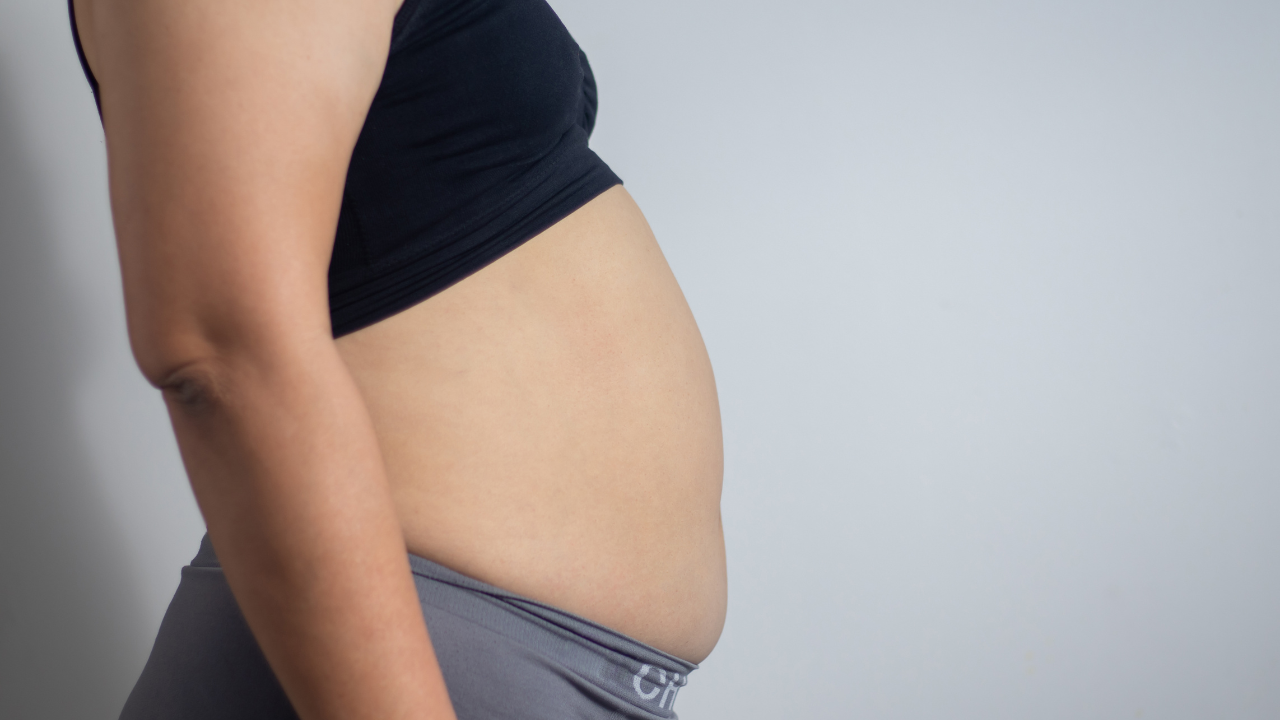
Bloating is a gas and pressure sensation. It can happen whether you ate a full meal or almost nothing at all. It’s caused by gas accumulation, fluid retention, or dysmotility — meaning something in the movement of contents through your digestive tract isn’t working the way it should. Bloating often lives lower — in your mid to lower abdomen — and it can come with visible distension, where your belly actually changes shape throughout the day.
The critical distinction: you can be bloated on an empty stomach. If you’re waking up bloated, or your bloating gets worse as the day goes on regardless of what you eat, that’s not a fullness problem.
What Bloating Actually Feels Like
Bloating has a distinct feeling, and recognizing it helps you communicate more precisely with your provider — and figure out faster what’s driving it.
Pressure without pain — a tight, full sensation that feels like something is pushing outward from the inside. Not sharp, not crampy. Just relentless pressure.
Visible distension — your waistband fits fine in the morning and feels impossible by afternoon. This is not weight gain. This is gas and/or fluid accumulation that shifts throughout the day.
A hard or drum-like abdomen — tapping your belly when you’re bloated sometimes produces an audible hollow sound. That’s gas.
Gurgling, rumbling, or audible movement — your gut makes noise when gas is in motion or when motility is disrupted. This is called borborygmi, and while it sounds alarming, it’s often just your intestines doing their job inefficiently.
Nausea without vomiting — bloating and nausea frequently travel together, especially when gas is trapped in the upper GI tract or when motility is sluggish.
Referred discomfort — trapped gas doesn’t always stay where you expect it. Gas can travel up and cause chest tightness, pressure under the ribs, or even what feels like heart palpitations when the stomach or a part of the colon is particularly distended.
When Bloating Is Normal
Yes — some bloating is completely physiological and not a sign that anything is wrong.
After a large meal. Your stomach distends to accommodate food volume. Some gas is produced as a byproduct of digestion. This should resolve within 1–2 hours and shouldn’t be severe.
After high-fiber foods, especially new ones. Beans, cruciferous vegetables, whole grains, and onions are fermented by gut bacteria, which produces gas. If you’ve suddenly increased your fiber intake or are eating foods your microbiome isn’t used to processing, bloating is expected. It typically improves as your gut flora adapts over 2–4 weeks.
Around your menstrual cycle. Estrogen and progesterone fluctuations affect gut motility and fluid retention. Bloating in the week before your cycle starts — and often the first couple of days of it — is hormonally driven and cyclical.
After carbonated beverages. Straightforward: you swallowed gas, your gut is moving it through.
After eating quickly or talking while eating. You swallow more air than you realize. This is a legitimate cause of upper GI bloating and belching.
The benchmark for “normal” bloating: it has a clear trigger, it resolves within a few hours, it doesn’t significantly disrupt your day, and it’s not getting progressively worse over time.
When Bloating Is Telling You Something Deeper Is Wrong
There are specific patterns that signal you need to look further — not just cut out gluten and hope for the best.
Chronic Daily Bloating That Doesn’t Resolve
If you’re bloated every single day regardless of what you eat, your gut motility is the first suspect. Slow intestinal transit — whether from hypothyroidism, dysautonomia, medication side effects, or structural issues — means gas has nowhere to go efficiently. This isn’t a dietary problem at its root. Elimination diets will help with symptoms, but will not fix the problem.
Bloating That Worsens as the Day Progresses
Progressive distension from morning to evening, even without eating much, points to small intestinal bacterial overgrowth (SIBO) or large intestinal fermentation patterns that are out of balance. SIBO in particular causes gas production from bacteria fermenting carbohydrates much higher up in the GI tract than they should be — resulting in early, significant bloating that compounds throughout the day.
Bloating Accompanied by Alternating Constipation and Diarrhea
This classic presentation needs evaluation — it’s the hallmark of irritable bowel syndrome (IBS). However, it can also indicate inflammatory bowel disease, celiac disease, or parasitic infection. These conditions require different interventions. Lumping them all under “IBS” and calling it done is lazy medicine.
Bloating With Unintentional Weight Loss
This combination is a red flag. Bloating plus unexplained weight loss warrants prompt evaluation to rule out malignancy. Don’t let anyone tell you this is just stress until that’s been ruled out.
Bloating With Blood in the Stool
Full stop — this needs a provider visit. Blood can be from hemorrhoids, which is common and not problematic. Yet combined with bloating and changes in bowel habits, it needs to be evaluated.
Bloating That Doesn’t Follow Food
If your bloating has no consistent dietary trigger and seems to fluctuate with your stress levels, sleep quality, or menstrual cycle, your gut-brain axis is likely involved. The enteric nervous system is not a passive bystander — stress hormones directly affect gut motility, gut barrier integrity, and visceral sensitivity. Chronic stress can produce real, measurable bloating with no “dietary cause” to find.
Bloating With Early Satiety
Feeling full after only a few bites, combined with bloating (which is not due to weight loss medication), can suggest delayed stomach emptying, also known as gastroparesis. This is common in people with diabetes and in those with a history of eating disorders or abdominal surgery. If this is your pattern, high-fiber and high-fat meals will make it significantly worse, and dietary modifications need to be tailored accordingly.
The Bottom Line
Bloating is information. It’s not a personality flaw, it’s not fixed by eliminating every enjoyable food from your diet, and it’s not something you should just learn to live with.
But it’s also not all the same thing — which means the fix depends entirely on the mechanism. Treating SIBO-driven bloating with a low-fiber diet is different from treating gastroparesis, IBS, or hormonal bloating. Getting the mechanism right is what changes outcomes.
If your bloating is chronic, progressive, or coming with any of the red flags above, push for a real workup.
Have questions about what might be driving your bloating? This is exactly the kind of thing we work through in a one-on-one consultation.
