
Have you or others complained that eating healthy foods is too expensive? Or that it takes too long? With a little planning and effort, eating healthy can be a cheaper option without a lot of extra time.
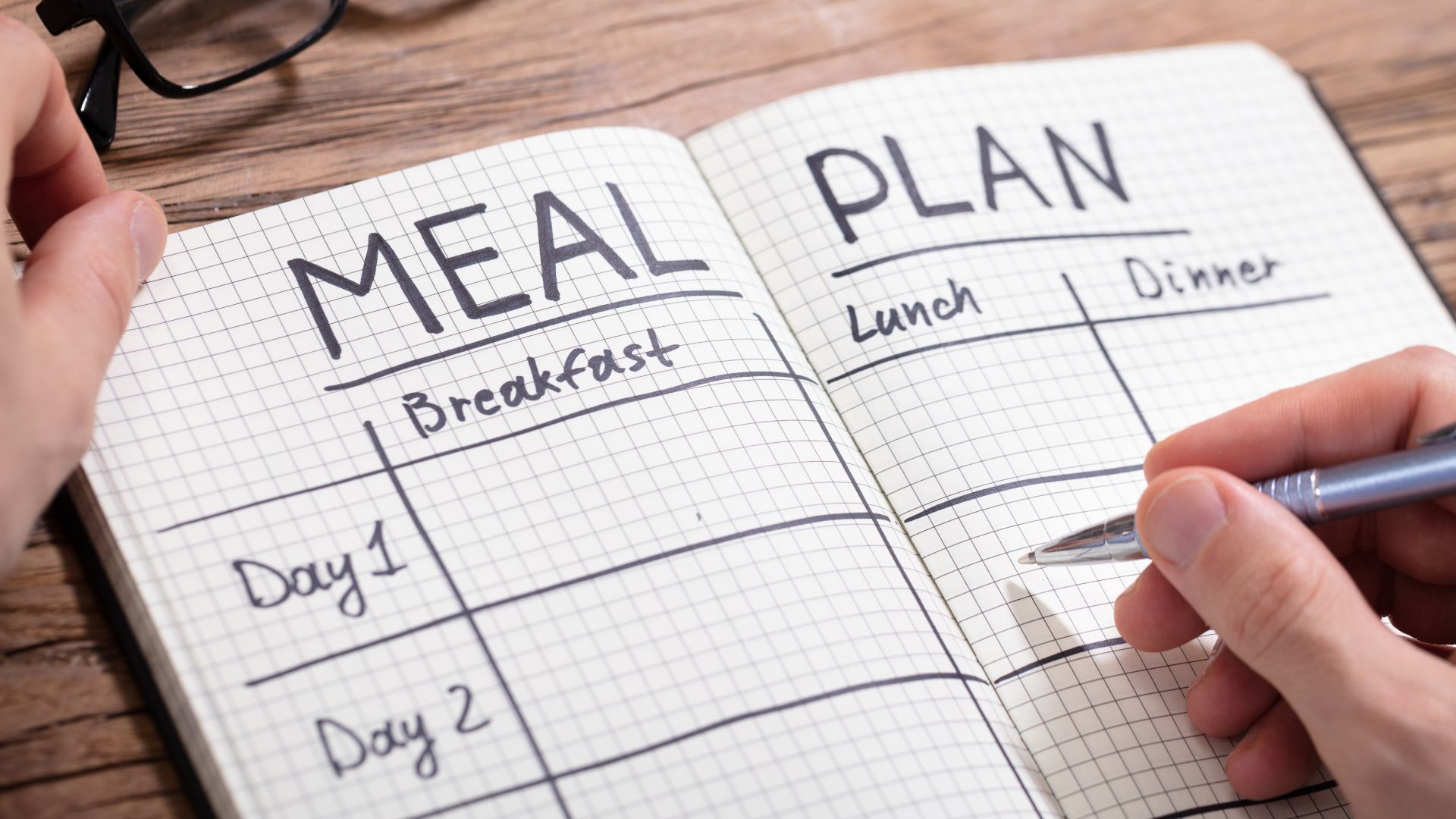
Nothing can be done well without a plan. So, it is imperative to make a weekly meal plan. A meal plan saves time and money and helps with eating more nutritious meals. Click here for more information about meal planning.
Smart Shopping Habits
Before you go shopping, create a shopping list. And here’s one golden rule: never shop when you’re hungry! Everything will look tempting, and you’ll likely overspend. Another tip is to shop for produce that is in season. Seasonal produce is cheaper and fresher.
Buy in Bulk to Save Money
To reduce food costs, buying whole foods in bulk is one of the best ways to save money. Some options include:
-
- Dry goods like rice, beans, lentils, oats, and whole grains are inexpensive and store well.
- Frozen fruits and vegetables are often cheaper and just as nutritious.
- Bulk bins at stores or warehouse clubs (like Costco or Sam’s Club) often have better prices per unit.
Real Food Meal Prep Made Easy on a Budget
Preparing and cooking meals from scratch at home is the best way to stay in budget. For many people to cook each meal from scratch seems difficult. However, there are many ways to make meal prep and cooking doable. Here are some ideas:
-
- Prepping ingredients by:
- chopping up vegetables
- wash and portion out greens for salads
- cook grains (rice, quinoa) and store to mix and match meals
- make a big batch of meat such as ground beef, chicken and pork and refrigerate or freeze in ½ to 1 lb portions
- Double the recipe and freeze the second portion. It takes a fraction of the time to make a double recipe.
- Prep smoothie bags (greens, fruit and seeds) for easy blending
- Easy breakfast options such as overnight oats, greek yogurt with granola and berries, and breakfast burritos
- Build your own “lunchables” with hard-boiled eggs, cheese cubes, fruit, nuts, and veggie sticks.
- Use similar ingredients in multiple meals to reduce waste.
- For more ideas about meal prepping, click here.
- Prepping ingredients by:
Saving Money on Real Food Proteins
Meat is often the most expensive item on the grocery list, but you can still enjoy it without overspending.
Tips for Stretching Meat in Your Meals:
-
- Buy whole chickens or cuts on sale and stretch them across several meals.
- Buy in bulk and freeze in ½ lb or 1 lb portions.
- Use bones for homemade broth.
- Incorporate more plant-based proteins (beans, legumes, tofu) to reduce costs like cutting the meat in half and replacing with a plant-based option.
- Use vegetables to bulk up the meal such as grated carrots, zucchini, and mushrooms or diced onions, bell peppers and spinach into ground meats.
- Use grains by adding rice, quinoa, or oats to ground beef for tacos, meatloaf or stuffed peppers.
- Try more plant-based meals such as stir-fried rice with tofu, vegetarian chili, and bean burritos.
- Use meat to flavor the meal, not be the main ingredient such as casseroles, stir-fries and soups.
Making the Most of Leftovers
After a wonderful meal, there are often leftovers. However, many times we may forget about those leftovers or don’t know how to use them. After a while, the leftovers may look more like a science project than something you would want to eat. Here are some tips on using leftovers.
-
- Use leftovers in soups, stir-fries, and casseroles.
- Freeze items before they spoil.
- Plan to have a “leftovers” meal during the week.
Use Your Kitchen Appliances Wisely
Be sure to utilize your kitchen equipment like slow cookers, Instant Pot and air fryers. These appliances can help you make your meals quickly. For example, you can prep a slow cooker meal the night before, put it in the refrigerator, pull the meal out the next morning and have it cook during the day. Dinner is done! Another example is to have all of your ingredients prepped previously, place the ingredients into the Instant Pot and have the meal cooked in minutes!
With a little planning, eating healthy food can fit into a limited budget. The side benefit is that you will be healthier and feel better at no extra cost!
