
Have you ever eaten something and felt slightly…off? Like your body clocked the meal but didn’t exactly approve of it?
No ER visit needed yet left feeling off… mild to moderate symptoms of:
- Itchy skin
- Skin rash
- Headaches or migraines
- Diarrhea
- Vomiting
- Constipation
- Cramps
- Bloating
- Body aches
- Brain fog
- Malaise
When food symptoms occurs immediately and the reaction is predictable = food allergy:
-
- Within 2 hours of the reaction ( except for alpha gal syndrome: delayed up to 4-5 hours)
- Includes full security team
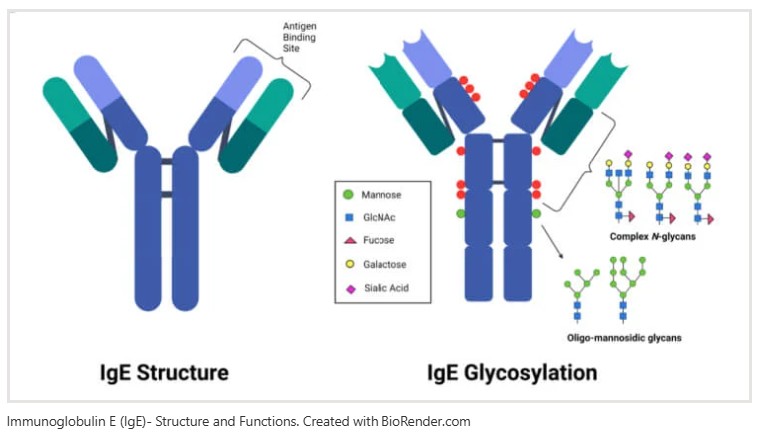
- Adaptive immune cells : immunoglobulins: Ig E (primary)
- Innate immune cells: mediated inflammation cells
- Each occurrence causes a stronger reaction from Ig G
-
- Adaptive Cell structures:Ig E: Hook like structures grab invader cells.
- Then, more Ig E cells are built to fight against that exact invader.
- Each infection creates a stronger response due to higher concentration of Ig E cells fighting for your life!
To test for an oral allergy there are two options but only one good option:
-
- Skin prick
- Not as accurate with people with skin conditions which may result in false positives
- Blood test: Most accurate
- Request a double blind-oral challenge
- Make sure the clinic is equipped for this type of testing before making the appointment.
- Request a double blind-oral challenge
- Skin prick
Double blind oral challenge lab exam is a test used to find out if a person is truly allergic to a certain food. This test is considered the most accurate way to diagnose food allergies.
-
- Neither the medical team nor the patient knows when the real food or placebo is given
- Makes the results as fair as possible to avoid bias.
- Summary: positive blood results may not result in physical symptoms
- Dr will provide information on how to prepare for the exam:
- Remove foods from diet 2 to 8 weeks before test
- Allergies and asthma symptoms must be controlled before exam
- Some medications need to be stopped ( dr will review and advise)
- Patients avoid eating 2-4 hours before the test.
- Neither the medical team nor the patient knows when the real food or placebo is given
The National Institute of Allergy and Infections Disease and the American Academy of Dermatology both define food allergy as strictly-immune-mediated, with diagnosis requiring both sensitization and reproducible symptoms upon exposure.

The immune system includes both innate and adaptive immunity cells.
Here’s the thing about food-related illnesses like food intolerance or sensitivity: the symptoms don’t always show up the same way every time.
While many sources use “food sensitivity” and “food intolerance” interchangeably, we’ll define them separately in this article based on the following distinctions:
Food Intolerance:
-
- Lacks a specific enzyme to breakdown the food
- Reactions, most commonly diarrhea, happens within 30 minutes to 2 hours
- Enzyme therapy may decrease symptoms from occuring
Food Sensitivity:
-
- Patient possess the specific enzymes needed for digestion
- Protein structure of food elicits a cellular-mediated reaction which may look very similar to a mild food allergy because both cause inflammation
- Reaction time may happen immediately or may take up to 3 days!
When Your Gut Overreacts: Understanding Food Sensitivity
Food sensitivity usually begins with dysbiosis and GI hypersensitivity. Factors like diet, stress, certain medications, poor sleep, and chronic conditions such as IBS, IBD, or anxiety can trigger these imbalances.
Most of the time, food particles glide through your intestinal “waterslide” without trouble. Your gut’s immune cells—like security guards—wave them through, recognizing, “it’s just lunch, not an intruder.” But when you eat the same foods too often or your gut stays under stress, the system flags the overload. Inflammatory cells rush in to defend the GI tract from a perceived threat—even when none exists.
That’s when things get confusing. The security guards already approved the food, but the gut still freaks out. Picture the waterslide attendants suddenly shouting at your food to get off the ride—not because the food changed, but because the environment became too reactive.
This is where oral tolerance plays a crucial role. Your body usually digests certain foods peacefully, without needing to call in the immune team. But oral tolerance is both personal and fragile. When you repeatedly eat foods your body struggles with, you inflame and stress the gut, which slowly breaks down your tolerance.
The results? More inflammation. More sensitivities. And that maddening feeling that your body keeps sending mixed signals—fine with a meal one day, and flaring up the next for no clear reason.
If Reactions Don’t Make Sense: Timing, Tolerance, and Testing
Example: Eating dinner last night with no reaction. Eat leftovers the next day and reaction.
-
- Food sensitivity reactions are delayed by up to 3 days at times
- Broken oral tolerance due to repeatedly eating the exact same food within a 2-72 hours window.
- It may be a food you ate frequently without any problems for years
Plenty of companies advertise food sensitivity tests, but only one delivers the most accurate results: Oxford Labs. Their Mediator Release Testing (MRT) analyzes innate immune cells and achieves 97% accuracy—with just a 3% margin of error, typically because the gut hasn’t encountered all the foods on the panel.
Interested in getting a food sensitivity test?
Let’s work together by making peace with food from the inside out!
