
In our current environment of processed foods, high stress and medications, our gut microbiome is under constant attack.
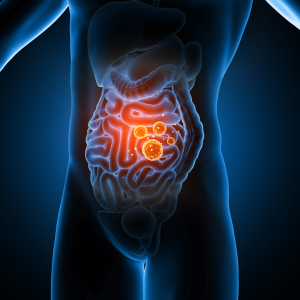 Gut microbial dysbiosis refers to an imbalance in the composition and function of the gut microbiota – the trillions of microorganisms living in your digestive tract. This imbalance can lead to a wide range of health issues, from digestive disorders to chronic inflammation and even mental health conditions. Restoring balance is essential for optimal health.
What Causes Gut Dysbiosis?
-
- Poor diet is the most likely reason for gut dysbiosis. The Standard American Diet (SAD) is high in sugar, processed foods, and low in fiber.
- Chronic stress and sedentary lifestyle (lack of exercise)
- Many common medications, such as stomach acid blockers and antibiotics, can deplete good microbes.
- Viral Infections or food poisoning can disrupt and alter the gut microbiome.
- Environmental toxins such as glyphosate (Round up) used in your yard or garden, pesticides and heavy metals (lead, mercury found in some increased consumption of tuna fish) can reduce microbial diversity. Genetically modified foods are particularly high in glyphosate and pesticides.
How do you know if you may be suffering from gut dysbiosis? There are various ways that gut dysbiosis may manifest.
-
- Irritable Bowel Syndrome (IBS)
- Inflammatory Bowel Disease (IBD)
- Food intolerances/cravings
- Bloating
- Constipation and/or diarrhea
- Yeast overgrowth, such as chronic urinary tract infections or yeast infections
- Small intestinal overgrowth (SIBO)
- Skin conditions (e.g., acne, rosacea, eczema)
- Anxiety, depression (via the gut-brain axis)
- Metabolic issues like obesity and type 2 diabetes
- Difficulty losing or gaining weight
How to Rebalance the Gut Microbiome
1. The first step is to eat a fiber-rich diet. This type of diet would include a wide variety of vegetables, legumes, fruits, and whole grains. These foods provide the fiber that beneficial microbes use to grow (For more information, click here.) In addition, it is important to avoid highly processed foods and excessive sugar. Click here for more information about real food vs processed foods.
2. To replace good microbes in your gut, it is important to consume fermented foods. Examples of fermented foods are yogurt, kefir, sauerkraut, kimchi, kombucha, miso and natto. Look for labels that say “Contains live and active cultures.” These foods are rich in beneficial bacteria and sometimes yeasts that support gut health. The most common microbial strains in probiotic foods belong to the Lactobacillus, Bifidobacterium, and Saccharomyces genera.
3. Chronic stress can lower the number and variety of beneficial gut bacteria. Stress hormones like cortisol can cause increased gut permeability (“leaky gut”). Stress can speed up or slow down digestion which may create an environment where harmful bacteria may thrive. Managing stress is essential to balance the microbiome. Some ways to manage stress would be to practice meditation, exercise, sleep hygiene, and relaxation techniques such as deep breathing.
4. Inadequate sleep quality or sleep quantity can disrupt microbial rhythms and immune function. The gut microbiome follows a 24-hour rhythm, just like your body. Getting 7-9 hours of sleep and going to bed and waking up within 30 minutes every day are important to support your microbiome. Sleep fragmentation and short sleep duration are associated with gut dysbiosis.
5. Moderate physical activity improves gut microbiota diversity. Physical activity helps regulate bowel movements, reducing the risk of constipation, allowing a healthier microbial environment for beneficial microbes and preventing overgrowth of pathogens.
6. Using filtered water will take out harmful contaminants such as heavy metals, pesticides and pharmaceutical residues, which can disrupt the gut microbiome.
Testing and Diagnosis
-
- Stool analysis (GI MAP)
- Breath tests for SIBO- helps distinguish between different types of bacterial overgrowth based on gas patterns.
- Blood markers of inflammation and gut permeability
At The Unconventional Dietitians we use the GI Map test to evaluate for gut microbial dysbiosis. Once the stool test is complete, we implement the 5R protocol which stands for Remove, Replace, Reinoculate, Repair, and Rebalance.
We will initially remove unhealthy bacteria (with antimicrobials) and trigger foods that produce gas. Assessing patients’ need for enzymes as this will act as the Replace part of the protocol. Repairing the gut lining as intestinal permeability is likely. Next, the gut must be re-inoculated so there is a proper ratio of healthy and unhealthy bacteria. Lastly, encouraging relaxation so treatment goes effectively.
If you are interested in assessing and evaluating your gut health contact us to get started.
Balancing the gut microbiome is essential to good health and the prevention of chronic disease. By implementing the steps to rebalance your gut microbiome, you can enjoy better mental and physical health.

i did a rupa gi map test and i would like to get my gut back in order. I have high zolin along with slightly elevated h pylori. can you help me get my gut back in balance
Hey Andrea, depending on how long it’s been and how it was treated we can likely help you with improving gut dysfunction. You can schedule an appt here.