
What Is Insulin Resistance?
Many people claim that insulin resistance and diabetes are in their genes and that they can’t do anything about it. But do you have the ability to control whether you develop insulin resistance or not??
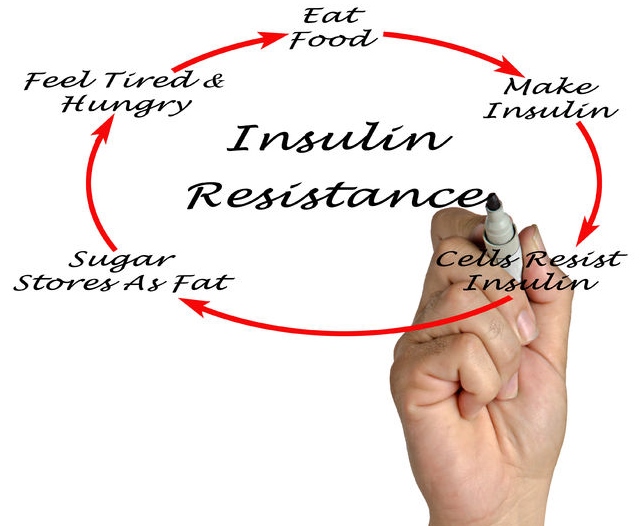 First of all, let’s define Insulin Resistance?
-
- Insulin is a hormone made by your pancreas. Its main job is to help sugar (glucose) move from your blood into your cells, where it’s used for energy.
- When you eat, your blood sugar goes up, and your pancreas releases insulin to bring it back down.
With insulin resistance:
-
- Your cells stop “listening” to insulin.
- The pancreas tries to fix this by making more insulin.
- For a while, this keeps blood sugar normal—but over time, it can’t keep up.
In other words:
👉 Insulin is the “key” that unlocks your cells to let sugar in.
👉 In insulin resistance, the “locks” on your cells get rusty—so the key doesn’t work well anymore.
So, what can happen is increased blood sugar levels, weight gain (especially around the waist), fatigue after meals and eventually, prediabetes or type 2 diabetes.
How Genetics Influence Insulin Resistance
Now let’s talk about your genes. Your genes are like instructions that tell your body how to work. Some people inherit genes that make them more likely to become insulin resistant.
Research has shown that up to 50% of insulin resistance risk is influenced by genetics. What do some of those genes do that may lead to insulin resistance?
-
- Some genes make your body store more fat around your belly, which increases insulin resistance.
- Others can affect how well your cells respond to insulin.
- Some genes change how your body burns sugar or fat for energy
Signs You May Have Genetic Risk Factors
Some clues that may help you determine if you have these genes are the following:
-
- A parent or sibling with type 2 diabetes, PCOS, metabolic syndrome, or gestational diabetes
- A tendency toward abdominal fat, high triglycerides, or low HDL cholesterol
- Strong cravings for carbs or sugar
- A pattern of elevated fasting insulin or post-meal fatigue
Genetic Testing for Insulin Resistance Risk
You can test for genetic risk through DNA-based health tests (such as 23andMe + Promethease, or specific panels like Genomind, Nutrigenomix, or GX Sciences). At The Unconventional Dietitians we use 3×4 Genetic testing. Keep in mind—these tests reveal predisposition, not destiny. They’re most powerful when interpreted alongside lab work such as:
-
- Fasting insulin
- HOMA-IR (insulin resistance index)
- Triglyceride-to-HDL ratio
- Hemoglobin A1C
- Glucose tolerance tests
Lifestyle Factors That Can Offset Genetic Risk
If you have the genes that predispose you to insulin resistance, does that mean that you will be doomed to failure? NO!
Your lifestyle can “turn off” many of those genetic switches. Protective factors include:
Exercise and Muscle Strengthening
-
- Regular exercise is key to keeping the switches off.
- Strength training 2-3 x week is important. Building muscle can act like a “sponge” for blood sugar and makes your cells more sensitive to insulin.
- Regular exercise such as brisk walking, biking, swimming, jogging, and dancing. This type of exercise burns glucose during exercise and helps improve how your body uses insulin. The goal is to get 150 minutes per week (30 minutes a day for 5 days a week).
- Regular exercise is key to keeping the switches off.
High-Fiber Diet
-
- Eating a high fiber diet of 25-30 gm/fiber a day. One can achieve this goal by eating at least 5 or more fruits and vegetables a day with whole grains, legumes and nuts/seeds. How does fiber help?
- Fiber slows down how fast sugar from your food enters your bloodstream resulting in lower blood sugar spikes and less insulin needed after meals.
- Fiber feeds good gut bacteria which helps improve how your cells respond to insulin and reduce inflammation. Check out this blog about the importance of gut balance.
- Fiber reduces LDL cholesterol and can help support healthy weight loss.
- Eating a high fiber diet of 25-30 gm/fiber a day. One can achieve this goal by eating at least 5 or more fruits and vegetables a day with whole grains, legumes and nuts/seeds. How does fiber help?
Sleep and Stress Management
-
- Quality sleep is essential! Poor sleep makes your body less sensitive to insulin and increases cravings for sugar and carbs.
- Chronic stress increases cortisol levels. Chronically high cortisol keeps blood sugars elevated, makes cells more insulin resistant and promotes belly fat, which worsens insulin resistance further. Effective stress-reducing habits include meditation, walking, yoga, stretching, and gratitude journaling.
Are Your Genes Your Destiny?
To use another metaphor, genes load the gun, but lifestyle pulls the trigger. You may have a genetic predisposition to insulin resistance, but you’re not powerless. Healthy eating, exercise, quality sleep, and stress management can keep those risky genes turned off and your metabolism in balance.
If you have insulin resistance or are concerned about becoming insulin resistant, please contact us.
CONNECT WITH US
