
Let’s be honest—feeding yourself (and your people) every day takes a lot of mental energy. Whether you’re trying to eat more whole foods, save money on takeout, or just make your life easier, meal planning and meal prepping are two habits that can make a huge difference. But they’re not the same thing—and understanding the difference can help you ease into a routine that works for you.
Think of meal planning as the foundation and meal prepping as the next level. You don’t have to do both at the same time (especially not perfectly). But together, they create a powerful system that supports a smoother, healthier, and less stressful week.
Let’s break it down.
Meal Planning: The Baseline You Can Build On
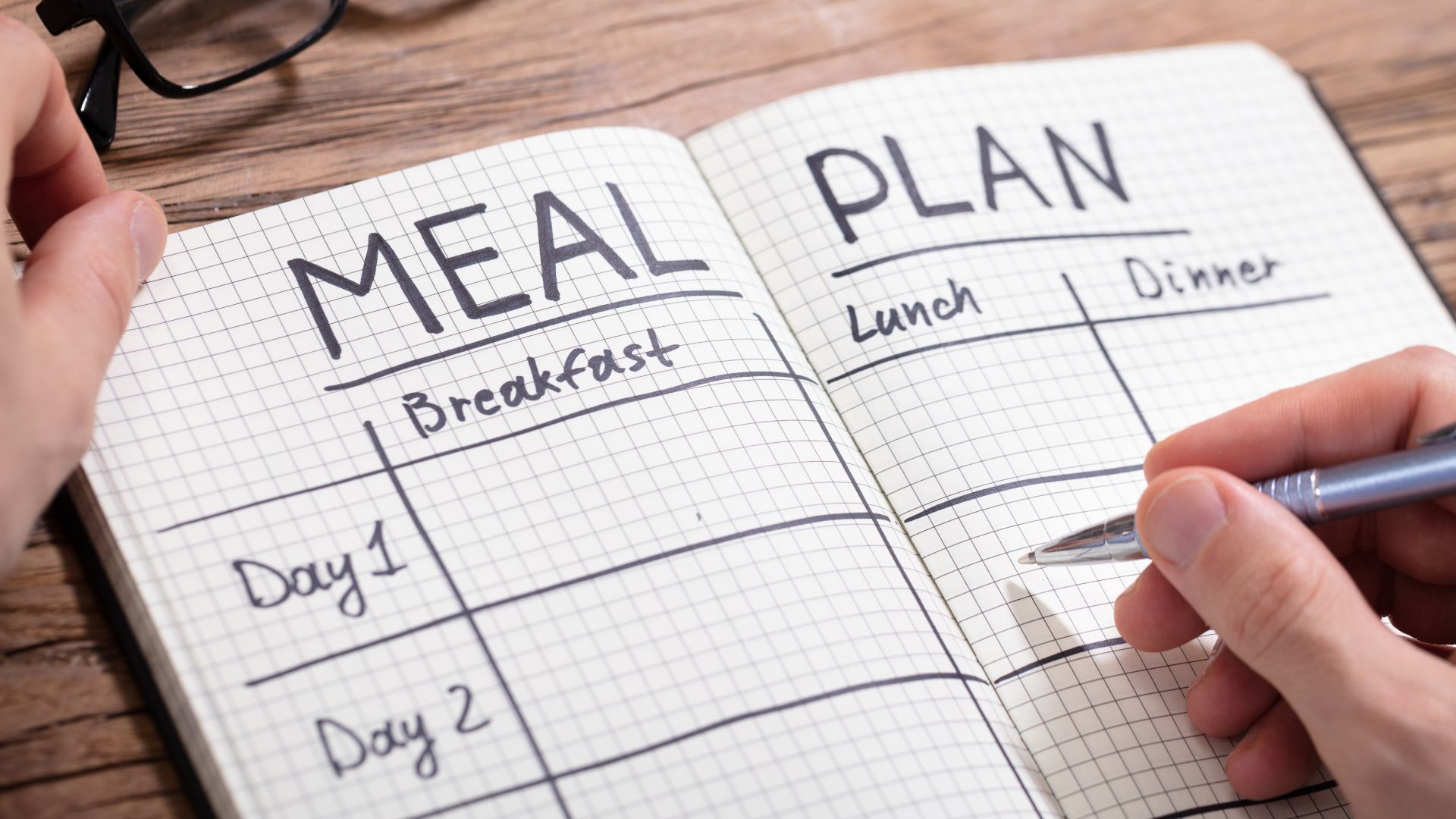 Meal planning is simply the act of deciding what you’re going to eat in advance.
That’s it. No chopping. No cooking. Just thinking ahead and (ideally) writing it down.
Most people plan meals in 7-day increments—which works well if you’ve got a solid routine and a predictable schedule. But if you’re just getting started, planning 3 to 4 days at a time can feel more manageable and less overwhelming. It’s also easier to pivot mid-week if your plans change or if you have leftovers you want to use up.
Why Meal Planning Matters
Meal planning gives you a roadmap. It reduces decision fatigue and helps you avoid that “What are we going to eat?” panic at 5:30 p.m. It also helps you:
- Use what you already have in the fridge or pantry
- Reduce food waste
- Build a grocery list with purpose
- Make room for intentional, balanced meals
- Include all meals—breakfast, lunch, dinner, and snacks—for everyone you’re feeding
When your meals are planned, your grocery shopping becomes strategic. You’ll stop overbuying random items and start making meals that actually go together.
Even if you don’t plan to prep a thing, simply having a plan reduces stress and improves your chances of following through with healthy eating goals.
Meal Prepping: The Next Level
 Meal prepping takes your plan and turns it into action.
While meal planning is about what you’ll eat, meal prepping is about getting those meals ready in advance—whether that means washing and chopping veggies, cooking a big batch of rice or soup, or assembling grab-and-go snacks.
Like planning, prepping doesn’t have to cover an entire week. In fact, prepping 3–4 days at a time is often more practical and less time-consuming. You don’t have to spend your entire Sunday in the kitchen to be successful.
What Counts as Meal Prepping?
There’s no one way to prep—some people love to prep full meals, while others focus on ingredients they can mix and match throughout the week.
Here are a few ways to meal prep:
- Wash and chop produce so it’s ready to cook or snack on
- Grill or roast veggies for salads, bowls, or sides
- Batch cook proteins like chicken, ground beef, or beans
- Prepare grains like rice, quinoa, or oats
- Assemble casseroles, soups, or one-pan meals ahead of time
- Use slow cookers, air fryers, or pressure cookers to save time and effort
- Portion out meals into containers for grab-and-go lunches or dinners
Prepping makes it easier to stick to your plan, especially when you’re busy, tired, or just not in the mood to cook.
Why Both Are Helpful?
Meal planning and meal prepping work best when they work together.
- Planning sets the intention
- Prepping makes that intention easy to follow through with
You can absolutely meal plan without meal prepping—but if your week gets hectic (as many do), having something ready to grab can mean the difference between eating what you intended and defaulting to drive-thru.
Likewise, you can meal prep without a plan, but it often leads to a fridge full of random ingredients with no clear purpose.
Together, they give you structure and flexibility. You get to spend less time stressing and more time nourishing yourself and your family.
But let’s get real, in the real world, some weeks you may feel fully inspired and go all out to meal prep and some weeks you feel lucky to just have a plan for the week.
Start Small, Stay Consistent
If this is new to you, here’s how to get started:
- Pick 3–4 days to plan for
- Write down what you’ll eat for each meal (keep it simple!)
- Make your grocery list based on the plan
- Prep a few key items: maybe it’s just chopping veggies and cooking a batch of rice
You don’t need a Pinterest-worthy fridge or a week’s worth of identical meals in containers. You just need a system that helps you eat well with less effort.
Remember: meal planning is the map, and meal prepping is the fuel that helps you get where you want to go.
